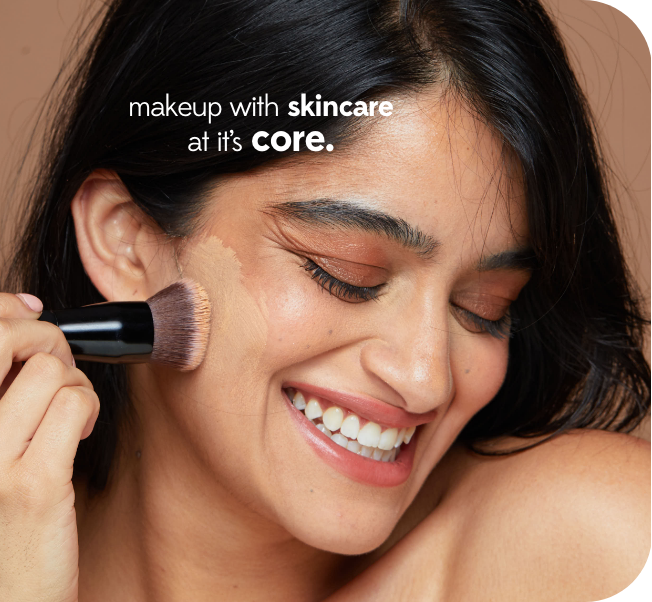
Contouring had its moment. But blush draping is the technique that stuck around because it actually looks good in real life, not just on camera with ring light assist. The idea is simple: instead of carving your face with brown shadows, you use blush placement to sculpt, lift, and add dimension.
When you do cream blush draping on Indian skin tones, the result is a warm, lit-from-within flush that bronzer could never pull off. Not every formula plays nice with this technique, though. Powder blushes sit on the skin and refuse to blend. Cream blush melts into your complexion. Here is how to do blush draping the right way.
What Even Is Blush Draping?
Blush draping is a technique where blush replaces contour as your primary sculpting tool. Instead of using dark shades to create hollows, you place blush across the cheekbones, temples, and jawline to add structure through colour.
The logic behind it
Traditional contouring uses shadow and light to reshape. Blush draping uses warmth and tone. You work with your natural face shape, not against it. The colour sits where light naturally hits, so the effect is softer and more wearable.
Why cream blush works best
Powder formulas blend on the surface. Cream blush fuses with skin, which is why it looks like a natural flush instead of a stripe. For Indian skin tones ranging from warm olive to deep brown, that seamless melt is everything. A cream blush with buildable pigment lets you layer without patchiness.
How to Do Blush Draping, Step by Step
Learning how to do blush draping takes five minutes. Keeping it effortless takes the right placement.
Prep your base
- Start with moisturised skin and a lightweight base.
- A silicone-free primer helps cream products grip without slipping.
- Skip heavy foundations; draping works best when skin texture shows through.
Pick your shades
- You need two shades.
- One slightly deeper than your skin tone for sculpting (mauves, warm browns, or berry tones).
- One brighter shade for the apples and high points.
- Maple works beautifully as a sculpting shade on medium to deep Indian skin.
Place the deeper shade first
Apply the deeper blush along the hollows of your cheeks, sweeping up toward the temples. Blend the edges so there are no harsh lines.
Layer the brighter shade on top
- Dab the brighter blush on the apples of your cheeks, blending upward into the deeper shade so both colours melt together.
- Dahlia, a cool pink, pairs well with deeper sculpting tones for a balanced flush.
Set it (lightly)
- If you have oily skin or need your look to last, press a light layer of talc-free setting powder over the blush with a fluffy brush.
- Tap, do not swipe.
Your Shade Guide for Indian Skin Tones
Cream blush draping in India means working with undertones that global shade ranges often ignore.
| Skin Tone | Sculpting Shade | Highlight Shade | Best For |
|---|---|---|---|
| Light to medium | Soft mauve or dusty rose | Peach or coral | Warm and neutral undertones |
| Medium | Warm brown or berry | Rosy pink | Olive and golden undertones |
| Medium-deep | Rich plum or brown-berry | Deep rose | Warm and deep undertones |
| Deep | Chocolate brown or wine | Bright fuchsia or berry | Cool and warm deep undertones |
Peach on the apples paired with a deeper shade along the cheekbones creates a sun-kissed drape on medium skin. If you lean cooler, Deep Rose gives a rosy-mauve flush that reads natural on deeper complexions.
If you want a two-in-one solution for cheeks and lips, the Onestick duo might be your pick.
Why Ruby's Organics Cream Blush Is Made for This
Not every cream blush can handle the blending and draping demands. If the formula dries too fast or the pigment is patchy, it falls apart.
Buildable, not cakey
The formula uses plant-based pigments and Centella Asiatica extract, so it stays workable long enough to blend properly. You can layer without it turning muddy.
Formulated for Indian skin
The cream blush and highlighter range is made for Indian skin tones. The pigments show up on medium to deep complexions without that ashy look imported blushes sometimes leave behind.
Skin-first ingredients
Bamboo silica absorbs oil for a soft-matte finish. Avocado oil conditions skin underneath. No silicones, no microplastics, no petrochemicals. Your blush sits on your face all day, so it should be made of things your skin actually likes.
The Final Sweep
Pick two cream blush shades, place them with intention, blend until they disappear into each other, and walk out looking like your cheekbones were personally blessed by good lighting.
If you want a cream blush that moves with your skin and comes in shades designed for Indian complexions, Ruby's Organics is your place.
Frequently Asked Questions
Is blush draping better than contouring?
For everyday wear, yes. It adds warmth and dimension without the heavy sculpted look. Quicker, more forgiving, and far more natural on Indian skin tones.
Can I do blush draping with powder blush?
You can, but cream blush gives a more seamless result. Powder sits on the surface and can look streaky when layering two shades.
What shades work for dusky Indian skin?
Deep berry, warm plum, and rich rose tones work best for sculpting. Pair them with brighter fuchsia or deep rose on the apples for contrast.
Does blush draping suit round faces?
Yes. The upward sweep from cheekbone to temple lifts the face visually. That is exactly why draping works as a contouring alternative.
How do I stop cream blush from fading?
Start with a primer, set with powder on top, and pick a formula with oil-absorbing ingredients like bamboo silica. That keeps cream blush in place for hours.
Can beginners try blush draping?
Yes. It is easier than contouring because blush is more forgiving with placement. Start with two close-toned shades and blend with your fingertips.