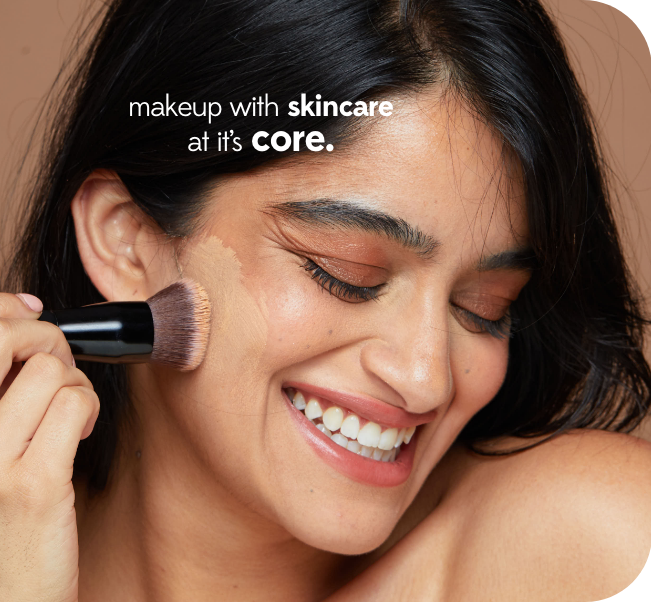
Your blush sits on the highest point of your face, right where your skin is thinnest and most exposed. And yet, most people grab whatever shade looks pretty in the pan without checking what's actually in it. Conventional blushes are packed with talc, synthetic dyes, silicones, and petroleum-derived fillers that clog pores, irritate sensitive skin, and leave your cheeks looking chalky instead of flushed.
An organic blush swaps all of that for plant-based pigments, nourishing oils, and skin-caring actives that add colour while treating your skin. But "organic" on a label doesn't always mean what you think. Here's how to tell the real thing from the greenwashed version.
The Label Says "Organic," but Your Skin Says Otherwise
Plenty of brands slap "natural" or "organic" on their packaging without the formulation to back it up. Before you trust the front of the box, flip it over.
What Actually Makes a Blush Organic or Clean
An organic blush uses mineral-based pigments (iron oxides, mica) and plant-derived bases instead of synthetic colourants and petroleum fillers. The waxes come from plants like candelilla, carnauba, or sunflower, not from paraffin. Ingredients with Ecocert or COSMOS certification are your safest bet, because they've been independently verified for origin and safety.
Why Certification Matters More Than Claims
Any brand can call their product "natural." Fewer can prove it. Ecocert/COSMOS certification checks ingredient source, manufacturing process, and environmental impact. No third-party verification? Treat the "organic" claim with a raised eyebrow.
Cream vs. Powder: The Clean Ingredient Showdown
Not all blush formats are created equal when it comes to what's inside. Here's how the two most popular types stack up.
Why Cream Blush Wins on the Clean Front
Cream blushes use oil and butter bases, which makes it easier to formulate with plant-derived ingredients. Powder blushes often rely on talc, synthetic binders, and pressed fillers to hold their shape. A cream blush built with avocado oil, shea butter, and bamboo silica gives you pigment and skincare in one step. Powders rarely offer that.
Cream Blush Ingredients: Clean vs. Conventional
Here's what separates a clean cream blush from the usual drugstore pick.
| Feature | Clean/Organic Cream Blush | Conventional Blush |
|---|---|---|
| Base | Plant oils, shea, cocoa butter | Silicones, petroleum derivatives |
| Pigment | Iron oxides, mica, mineral pigments | Synthetic dyes, lakes |
| Texture Agent | Bamboo silica, plant waxes | Talc, synthetic binders |
| Skin Benefits | Centella, squalane, vitamin E | Minimal or none |
| Preservatives | Plant-derived or minimal | Parabens, BHT |
| Certifications | Ecocert/COSMOS certified ingredients | Rarely certified |
Pick Your Shade Without the Guesswork
Choosing the right organic blush shade for Indian skin tones shouldn't feel like a lottery. Here's how to get it right the first time.
What Works on Indian Skin Tones
Warm rose, peach, and mauve tones sit naturally on medium to deep Indian complexions. Cool-toned pinks can look ashy on warmer skin, so swatch before you commit. A shade range built for Indian skin accounts for undertones that most international brands ignore entirely.
More Than Just Cheeks
A good cream blush pulls triple duty: cheeks, lips, eyelids. One product, three uses, zero extra clutter in your bag. If your blush can't do that, it's working part-time.
Your Blush Should Do More Than Just Sit There
Most blushes are purely cosmetic: colour and nothing else. A well-formulated organic blush does more. Centella asiatica supports the skin barrier and helps with redness. Avocado oil nourishes without clogging. Bamboo silica keeps the finish matte and oil-free through the day.
Pair it with a skin-tint foundation underneath for a base that breathes, or skip the base and let the blush do the talking.
Less Filler, More Flush
Choosing an organic blush isn't about being preachy. It's about not settling for a formula that does the bare minimum when better options exist. If your blush adds colour, cares for your skin, and skips the synthetics, it's doing its job.
Ruby's Organics Cream Blush is formulated with COSMOS-certified ingredients, powered by centella asiatica and avocado oil, and free from silicones, microplastics, and petrochemicals. Vegan, multi-use, and made for Indian skin tones. If your current blush can't say the same, maybe it's time to make the switch.
Frequently Asked Questions
Q. What makes a blush organic or clean?
A clean blush uses mineral pigments, plant-derived oils, and natural waxes instead of synthetic dyes, talc, and petroleum fillers. Ecocert or COSMOS certification on the label is the quickest way to verify the claim.
Q. Is cream blush better than powder blush for clean ingredients?
Cream formulas use oil and butter bases, making it easier to go plant-based. Powder blushes often depend on talc and synthetic binders to hold their pressed form.
Q. Can an organic blush give good pigment payoff?
Yes. Mineral pigments like iron oxides and mica deliver rich, buildable colour that goes from a subtle flush to a bold pop in a couple of layers.
Q. Is organic blush safe for sensitive or acne-prone skin?
Formulas free from silicones, parabens, synthetic fragrances, and talc are a much safer bet for reactive skin. Plant-based ingredients like centella asiatica and olive squalane can actually soothe while adding colour.
Q. How do I choose the right blush shade for my skin tone?
Warm rose, mauve, and peach shades tend to work well on Indian skin tones. Avoid cool-toned pinks if you have a warm undertone. Always swatch on your cheekbone in natural light, not on your hand.
Q. Can I use cream blush on my lips and eyes too?
Absolutely. A multi-use cream blush works on cheeks, lips, and eyelids. It simplifies your routine and cuts down on the number of products you need to carry.